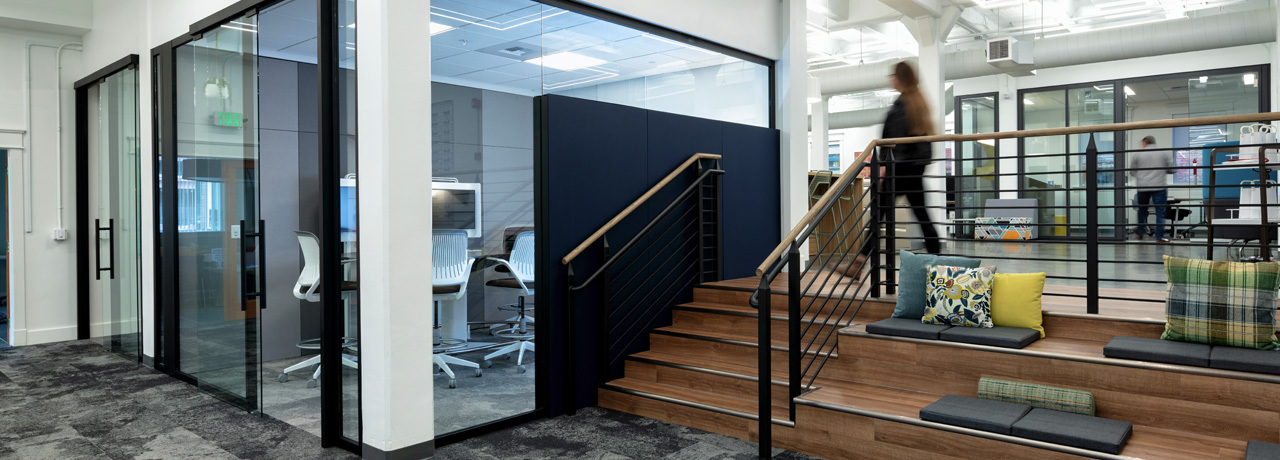
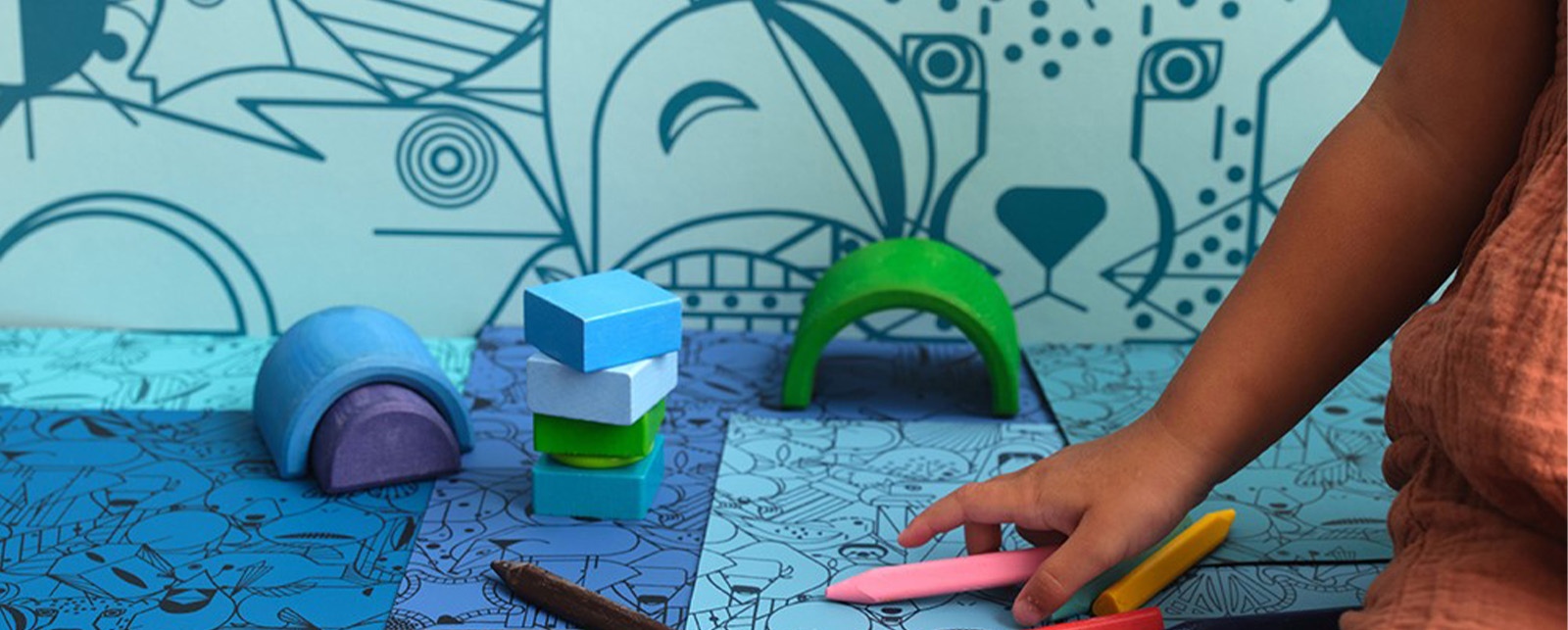
Discover the vibrant and nature-inspired work of textile designer, Charley Harper. Explore the colorful and durable textiles to elevate your space today...
Read article
In the transitional kindergarten (TK) classroom, engagement in play-based projects connected to a theme-based curriculum is often at the heart of each day. When intentionally crafted, the classroom environment extends and reinforces the key goals and concepts students are learning, nurturing healthy brain development along the way.
How classrooms are designed can have a big impact on Social Emotional Learning development. Thoughtfully planned spaces can encourage socializing, reduce stress, and make students feel that they belong and are safe. Leveraging ESSER funds before they run out offers a great chance to put these ideas into action.
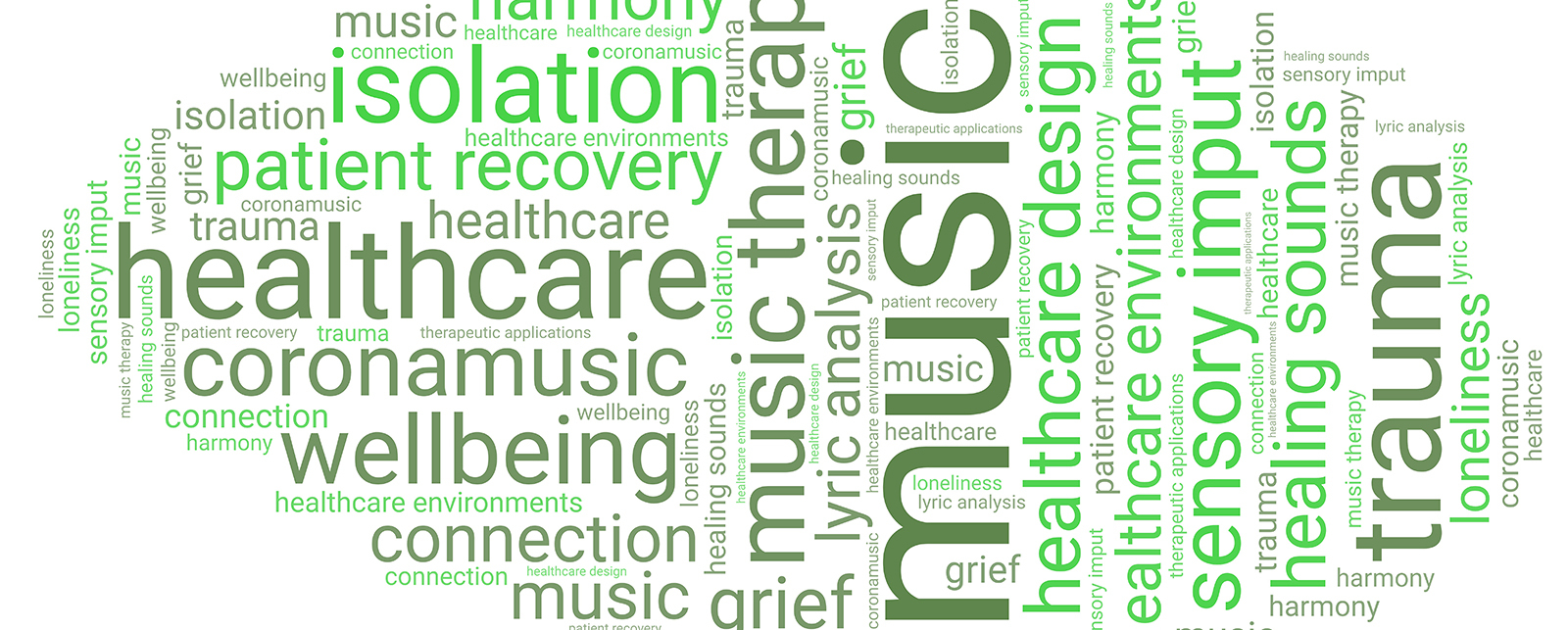
In the past, we looked at the positive impact of music on patients in memory care as seen in the film Alive Inside. In a very real way, music is medicine. Today we want to take a closer look at why music is such a powerful ally for the brain and how it can positively transform healthcare settings.
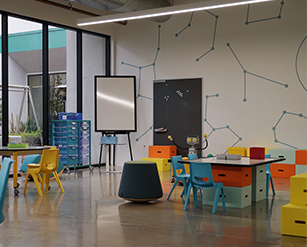
Imagine being immersed in a symphony of laughter and movement as children groove to the beats of musician and educator, Danny Sewell. Witnessing their boundless creativity amidst Muzo’s revolutionary school furniture and technology was nothing short of inspiring.
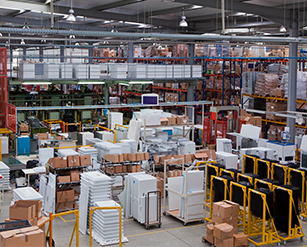
Regenerative blending embodies a holistic approach that emphasizes the deliberate integration of existing or second-generation furniture with new furniture. It’s sustainable, circular, and, most importantly, healthier for the environment over the long haul.
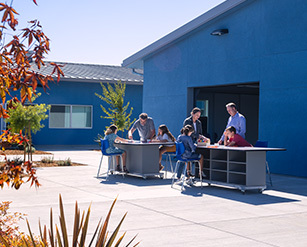
Creating classrooms that genuinely nurture wellbeing, social and emotional learning can be simple with intentional design elements. Here are some practical suggestions that leverage contributors to student wellbeing.
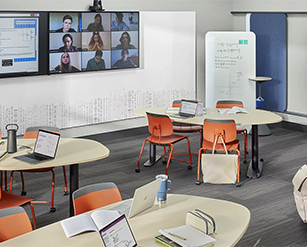
Let One Workplace help you design the classrooms of the future built for collaboration and success. Contact us to create your engaging learning environment...

One Workplace addresses sustainability challenges by taking bigger strides to reduce our footprint. Join us on the journey towards meaningful change...

Find out how technology in healthcare is remolding patient experience & let One Workplace bring patient-centered design into your healthcare environment.

Explore how classroom design can improve student engagement. One Workplace offers consultations for educators to create effective learning spaces...
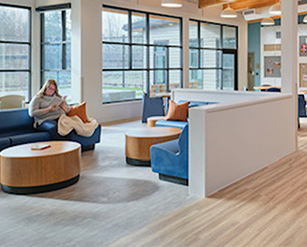
Can design impact patient recovery? Explore the ways behavioral health design can improve patient outcomes and promote healing in healthcare settings...
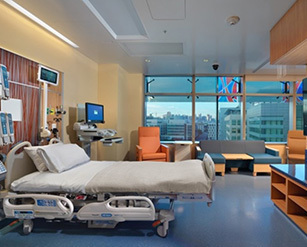
One Workplace prioritizes integration, safety & comfort when designing for behavioral health. Read more about improving patient experience...